sealos.io
Chrome
Build production-ready tools templates with Sealos.

https://www.google.com/chrome/deploy now
Chrome
Tools
Google Chrome browser running in a LinuxServer.io Selkies container with a web-based desktop UI.

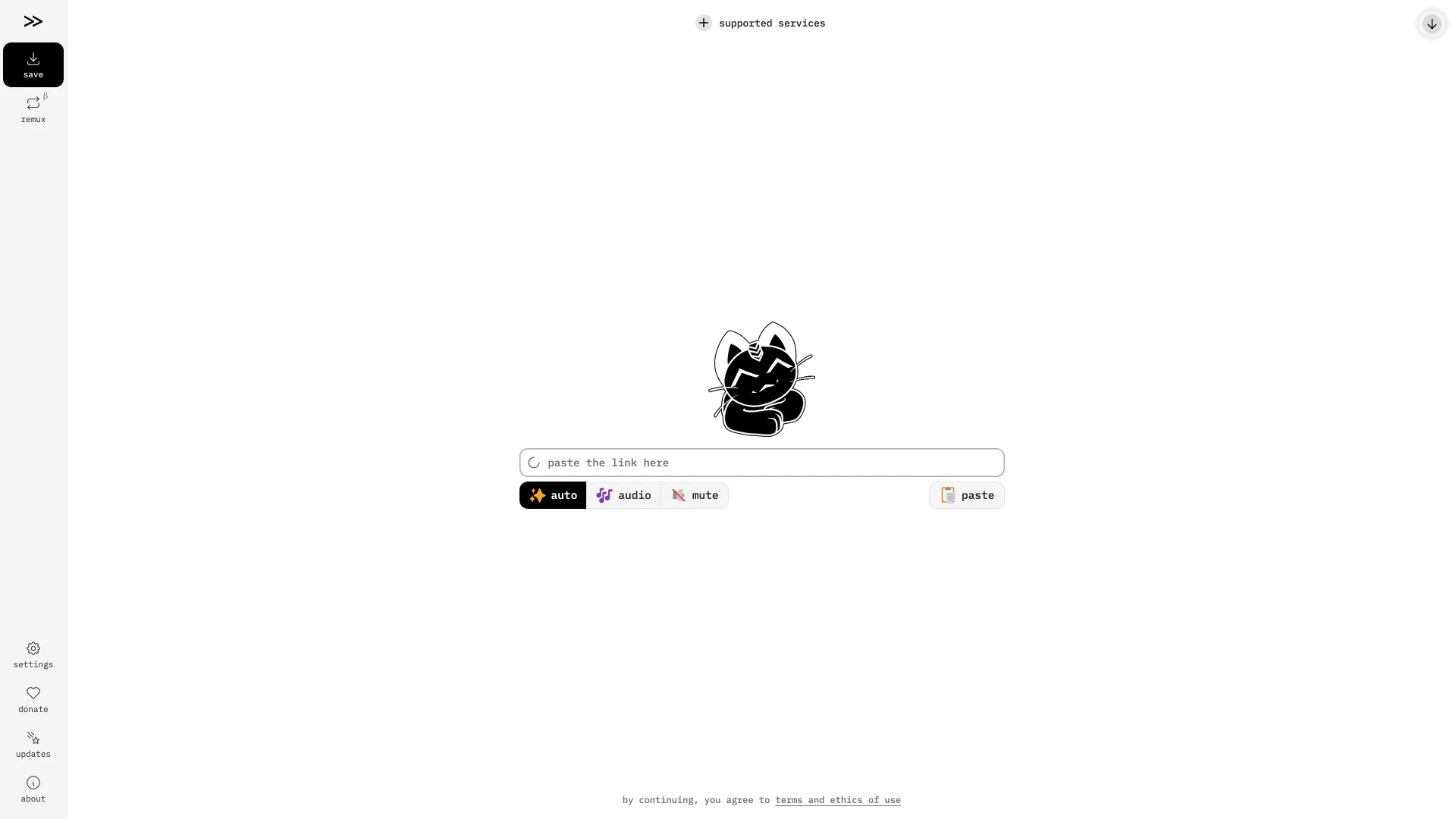
Privacy-focused media processing API for saving media from supported social and video services.
Launch in your Sealos workspace.
Start with the resources defined by the cobalt template. Review CPU, memory, persistent storage, and network allocations for every service in Canvas. Capacity needs depend on your data and workload; monitor usage as they grow.
Template configuration and setupUse the application URL or connection details shown in Canvas. Follow the deployment guide for first-time account setup or client configuration, and keep generated credentials available for that step.
Sealos monthly plans include compute, memory, storage, and traffic. Size your plan for all deployed services. Software licenses and external AI or API services may have separate terms and charges. Confirm the applicable plan and optional charges in Cost Center.
Compare Sealos resource plansFor current cloud charges, refer to Sealos plan pricing. Upstream documentation may reference earlier billing models.
cobalt is a privacy-focused media processing API for saving media from supported social and video services. This template deploys the cobalt API container with HTTPS ingress and configurable authentication controls on Sealos Cloud.
cobalt runs as a lightweight API service. It accepts media processing requests, applies rate limits, and returns structured responses for supported services. The official container requires API_URL, which this template sets to the Sealos public HTTPS URL.
The Sealos template deploys cobalt as a Kubernetes Deployment on port 9000. It does not require a database for the default single-instance mode. Redis is only required by upstream cobalt when API_INSTANCE_COUNT is greater than 1, so this template keeps the default single-instance mode and avoids unnecessary database resources.
Sealos handles public HTTPS access, service discovery, resource configuration, and app entry management.
The Sealos template includes the required runtime dependencies:
ghcr.io/imputnet/cobalt:7.13.3Architecture Components:
ghcr.io/imputnet/cobalt:7.13.3 on port 9000.Configuration:
The template sets:
API_URL to the Sealos public URL with a trailing slashAPI_PORT=9000TURNSTILE_SITEKEY and TURNSTILE_SECRETAPI_AUTH_REQUIREDDISABLED_SERVICEScobalt has no login or registration flow. API access is open by default. Enable api_auth_required and provide Turnstile settings when you want API requests to require a configured Turnstile session.
Resource Defaults:
200m256Mi20m25MiHealth Checks:
The template uses TCP startup, readiness, and liveness probes on the cobalt API port.
License Information:
cobalt is licensed under GNU AGPL v3.0.
Sealos is an AI-assisted Cloud Operating System built on Kubernetes that unifies deployment, storage, networking, and operations. By deploying cobalt on Sealos, you get:
/ to see cobalt metadata.After deployment, configure cobalt through:
API_URL is missing or malformed.API_URL value, including the https:// scheme and trailing slash.api_auth_required and configure turnstile_sitekey plus turnstile_secret.This Sealos template provides deployment configuration for running cobalt on Sealos. cobalt itself is distributed under GNU AGPL v3.0.
A shorter path from an app you want to an app you can run. Sealos brings deployment and ongoing operations into one place.
Start with a ready-made template. Review its configuration and launch from the Sealos console.
Run on managed infrastructure with built-in workload scheduling and recovery.
Give your application a public HTTPS endpoint with certificates managed for you.
Keep application data on persistent volumes across container restarts.
Adjust CPU, memory, and replicas from the console as your workload changes.
Sealos provisions the resources defined by your template and brings them together in your workspace.
Container workloads with configurable CPU, memory, and replicas.
An address for your app, with managed TLS certificates.
A database provisioned alongside your app when the template calls for one.
Storage for the files and data your application needs to keep.
Application settings and secrets configured in one place.
Inspect container logs and resource usage from the console.
Resources and their configuration vary by template. Review the deployment form for this app’s exact setup.
Explore more production-ready templates.
Build production-ready tools templates with Sealos.
Google Chrome browser running in a LinuxServer.io Selkies container with a web-based desktop UI.
Build production-ready tools templates with Sealos.
A privacy-focused, local-first, open-source workspace for notes, docs, whiteboards, and team knowledge management.
Build production-ready tools templates with Sealos.

Run a remote Firefox browser on Sealos and use its graphical interface from your own browser through noVNC. Keep the browsing session in a hosted container.